

Quick Summary
Buying a home in Winter Park isn’t just about finding the right house — it’s about understanding location nuances, pricing dynamics, and long-term tradeoffs that don’t always show up online. This area blends historic neighborhoods, walkable pockets, and strong resale demand, but it also requires buyers to be prepared. This guide covers what to know before you start, so there are fewer surprises once you’re touring homes.
Why Buyers Are Drawn to Winter Park
Winter Park continues to attract buyers who want proximity to downtown Orlando without feeling like they’re living in it. The area offers a blend of culture, established neighborhoods, and everyday convenience that’s hard to replicate elsewhere in Central Florida.
Buyers are often drawn to the tree-lined streets, access to Park Avenue, respected schools, and the overall feel of a community that’s grown deliberately rather than all at once.
What surprises many people is how much variety exists from one block to the next — in pricing, home condition, and even zoning rules.
Winter Park also appeals to buyers who want a sense of permanence. Unlike newer master-planned communities that can feel interchangeable, Winter Park neighborhoods tend to evolve slowly. Streets look largely the same year over year, which contributes to long-term desirability and resale stability.
Another draw is proximity without congestion. Many buyers are surprised by how quickly they can access downtown Orlando, College Park, Maitland, and even major highways, while still feeling removed from traffic-heavy corridors. That balance is difficult to find elsewhere in Central Florida.
For buyers relocating from out of state, Winter Park often “feels familiar” in a way that newer Florida developments do not — which plays a bigger role in decision-making than most people expect.

Understanding the Housing Stock
Much of Winter Park’s housing stock was built decades ago. That doesn’t mean homes are outdated or problematic, but it does mean buyers need to look past surface-level renovations.
It’s common to see beautifully updated kitchens and bathrooms alongside original plumbing, older electrical systems, or legacy sewer connections. Inspections matter here — not because homes are “bad,” but because age introduces variables that newer neighborhoods simply don’t have.
Buyers should also understand that renovations in Winter Park vary widely in quality. Some homes have been thoughtfully updated with long-term ownership in mind, while others were renovated quickly for resale. Knowing how to spot the difference can save buyers from unexpected costs after closing.
This is where local inspection experience matters. Inspectors familiar with Winter Park homes tend to flag different issues than those who primarily work in newer subdivisions.
Buyer Reality Check
A renovated interior doesn’t always reflect what’s behind the walls. In Winter Park, condition and craftsmanship matter more than age — but age still needs to be respected when evaluating risk and future costs.
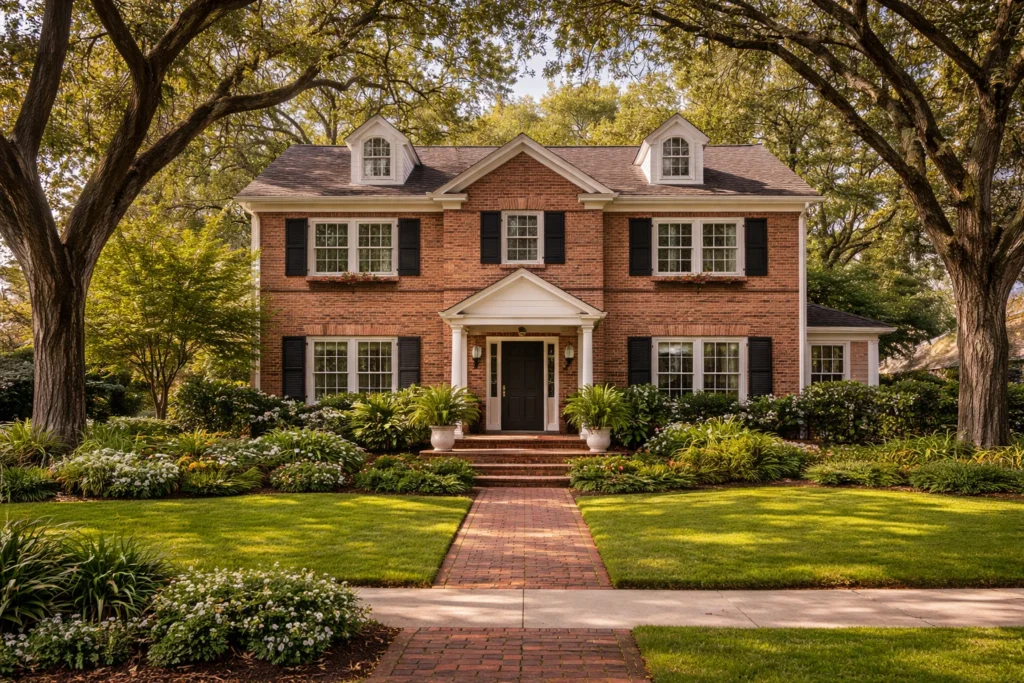
Winter Park homes often reflect the era they were built in — which can be a positive or a challenge, depending on expectations. Architectural styles range from mid-century ranches to traditional brick homes and custom renovations completed over decades rather than all at once.
Pricing in Winter Park Is Not Linear
Winter Park pricing doesn’t follow clean, predictable steps. Two homes with similar square footage can be priced very differently based on location, lot size, school zoning, or renovation history.
Buyers often expect pricing to behave logically within a ZIP code. In Winter Park, pricing behaves logically within micro-areas — sometimes down to a single street.
This is where automated home values can mislead buyers who don’t understand the local context.
In Winter Park, pricing is often influenced by factors that don’t show up clearly online. Street location, traffic patterns, and even lot orientation can affect value in subtle ways.
Buyers sometimes focus heavily on price-per-square-foot comparisons, but in this market, those numbers can be misleading. Two homes with identical square footage may not be interchangeable in buyer demand or long-term appreciation.
Understanding these nuances helps buyers make offers that are competitive without being unnecessarily aggressive.
Things to Consider Before Making an Offer
Planning Notes
- Some homes fall under historic preservation guidelines
- Renovation permits can be more restrictive than nearby cities
- Lot coverage rules may limit future expansions
- Insurance costs can vary widely based on age and updates
- Utility infrastructure differs from street to street
Buyers should also factor in timelines. Homes that appear to sit on the market longer in Winter Park often do so for very specific reasons — not always because they’re overpriced.
Understanding why a home hasn’t sold can influence negotiation strategy and inspection planning. This is where having context matters more than simply reacting to days-on-market.
How School Zones Impact Buying Decisions in Winter Park
School zoning is one of the most misunderstood aspects of buying in Winter Park. Buyers often assume that a Winter Park address automatically places a home within certain school boundaries, but that’s not always the case.
Boundaries can change, and two homes just blocks apart may fall into different zones. This can impact not only lifestyle considerations but also resale demand, particularly for buyers planning to stay long-term.
Even buyers without school-aged children should understand how school zoning influences pricing and competition. Homes in consistently sought-after zones tend to hold value more predictably, even during slower markets.
Renovation Restrictions and Historic Considerations
Some Winter Park neighborhoods fall under historic preservation guidelines or architectural review processes. While this helps maintain neighborhood character, it can also affect future plans.
Restrictions may apply to exterior changes, additions, or even certain materials. Buyers considering expansions, detached structures, or major renovations should understand these rules before making an offer — not after.
This doesn’t mean renovation isn’t possible. It simply means planning ahead matters more in Winter Park than in many surrounding areas.
Is Winter Park the Right Fit for You?
Winter Park tends to work best for buyers who value location, character, and long-term stability over sheer square footage or uniform neighborhoods.
It may not be the right fit if your top priorities are new construction, minimal restrictions, or large lots at entry-level pricing.
The key is aligning expectations early, before emotions take over during showings.
For buyers prioritizing character, location, and long-term stability, Winter Park often delivers. For those prioritizing maximum square footage, newer construction, or uniform neighborhoods, it may feel restrictive.
Neither is wrong — the goal is alignment. Buyers who understand what Winter Park does and does not offer tend to be happier with their purchase long after closing.
Frequently Asked Questions About Buying in Winter Park
Is Winter Park more expensive than other Orlando areas?
Generally, yes. Pricing reflects demand, schools, and proximity to downtown. That said, value exists when buyers understand neighborhood-level differences rather than relying on broad averages.
Are there HOA communities in Winter Park?
Some pockets have HOAs, but many established neighborhoods do not. Each property needs to be reviewed individually to understand restrictions and fees.
How competitive is the Winter Park market right now?
Well-priced homes in desirable pockets still move quickly. Clean offers and preparation matter more than aggressive overbidding.
Is Winter Park a good long-term investment?
Generally, Winter Park has shown strong long-term stability due to limited supply, consistent demand, and location. While no market is immune to cycles, Winter Park tends to recover more quickly than surrounding areas.
Thinking About Buying in Winter Park?
If you’re thinking about buying in Winter Park and want a clear, no-pressure conversation about what actually matters, I’m happy to help.